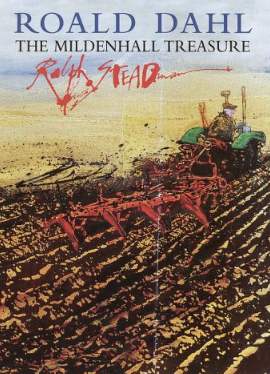
In “The Mildenhall Treasure”, Roald Dahl transformed a straightforward, factual, newspaper article about a historical finding into an exciting narrative using fictional techniques. Instead of presenting the facts and laying them on the table dispassionately, he goes through the events and characterizes, adds suspense, and gives vivid descriptions. He brings us along this emotional roller coaster, immersing us in the plot of what happened. Dahl begins with careful characterization, presenting Gordon Butcher as a hard-working, ordinary, and honest man, living his life as all those types do. When introducing Ford, Dahl describes him as a man “with a clever foxy look about his face”, giving us the impression of someone more mysterious, with intentions that seem less innocent than Butcher’s. He makes us anxious and gives us a bad feeling about him. Another thing Dahl uses is suspense. Instead of revealing the entire story at once, he walks us through each event, keeping the big reveal till the end. He paces the story in a way that allows us to uncover and think independently about the characters’ actions. He creates tension and anticipation, giving us a more exciting storyline. Even though Roald Dahl enlivens this already-fascinating nonfiction event, or perhaps because it is so fascinating already, he deliberately spoils the events of what happened that day with an author’s note which lays out all the facts. Instead of keeping us on our toes as a narrative, he instead molds the facts in a way that puts us into Butcher’s shoes. He gives us a new perspective on what happened, brings new ideas and makes us feel what it is like to be the one discovering something so monumental.
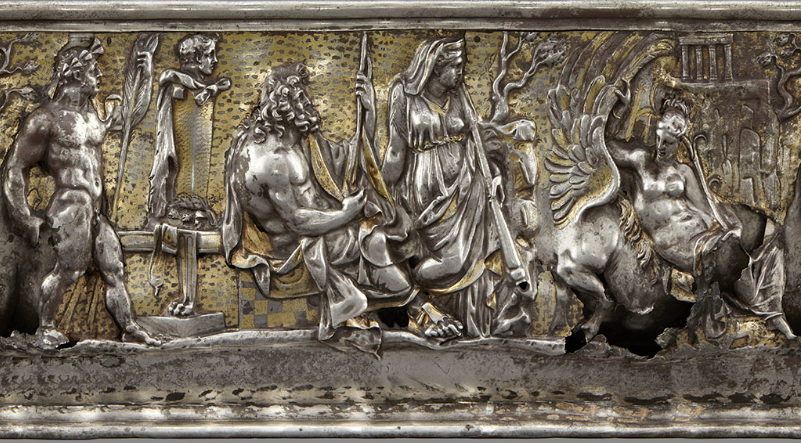
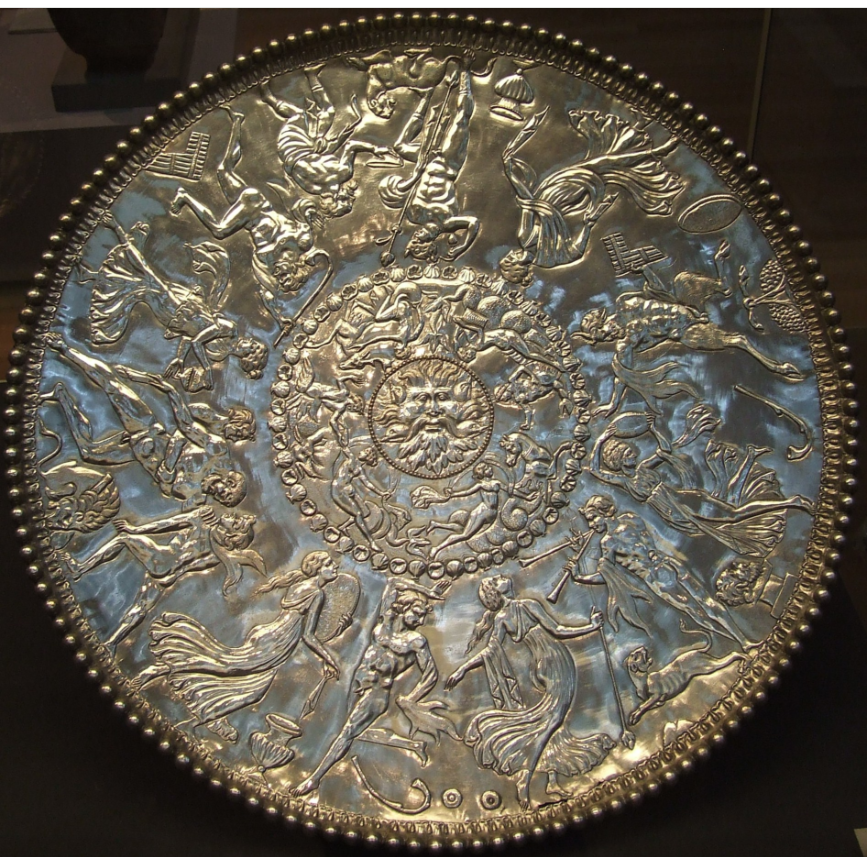
The Mildenhall Treasure is one of the finest treasures ever found, containing some of the highest level Roman artistry and engravings, dating back to around 350-400 AD. The religious art, which includes Paganism and Christianity, gives it much value to the British Museum and contributes nicely to the past of Britain.
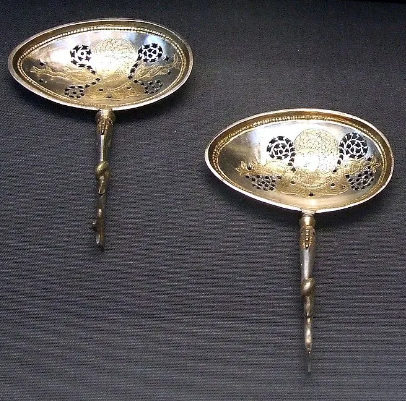
There was another treasure discovered in Suffolk, named the Hoxne Hoard, on November 16, 1992, when a man searching for a lost hammer instead found silver spoons and gold jewelry. Unlike Mildenhall and the dastardly deeds of Ford, it was reported it immediately, and archaeologists quickly excavated and recovered an astonishing 15,000 Roman coins and over 200 pieces of silver and gold jewelry. The British Museum believes that the hoard was buried at a time when it was passing out of Roman control, which makes the hoard a last-ditch effort as an emergency saving.
One other Roman treasure is the Traprain Law Treasure found in Scotland. Including over 23kg of silver, it is the largest hoard of Roman hacksilver (silver no longer valued as art but used for bullion or currency, often melted down before readying it to be traded or reused) ever found and was unearthed during excavations in 1919. When found, many pieces were broken, cut up, or crushed. Unlike other discoveries, which were accidental, the Traprain Law Treasure was a calculated archaeological excavation on a site that was known to have been occupied by Roman frontiers and tribes. According to many scholars, they believe the silver was most likely a payment or diplomatic gift from the Romans to allied tribes. Unlike the other treasures, Traprain Law suggests it was hidden during a time when political alliances were struggling and arguing.
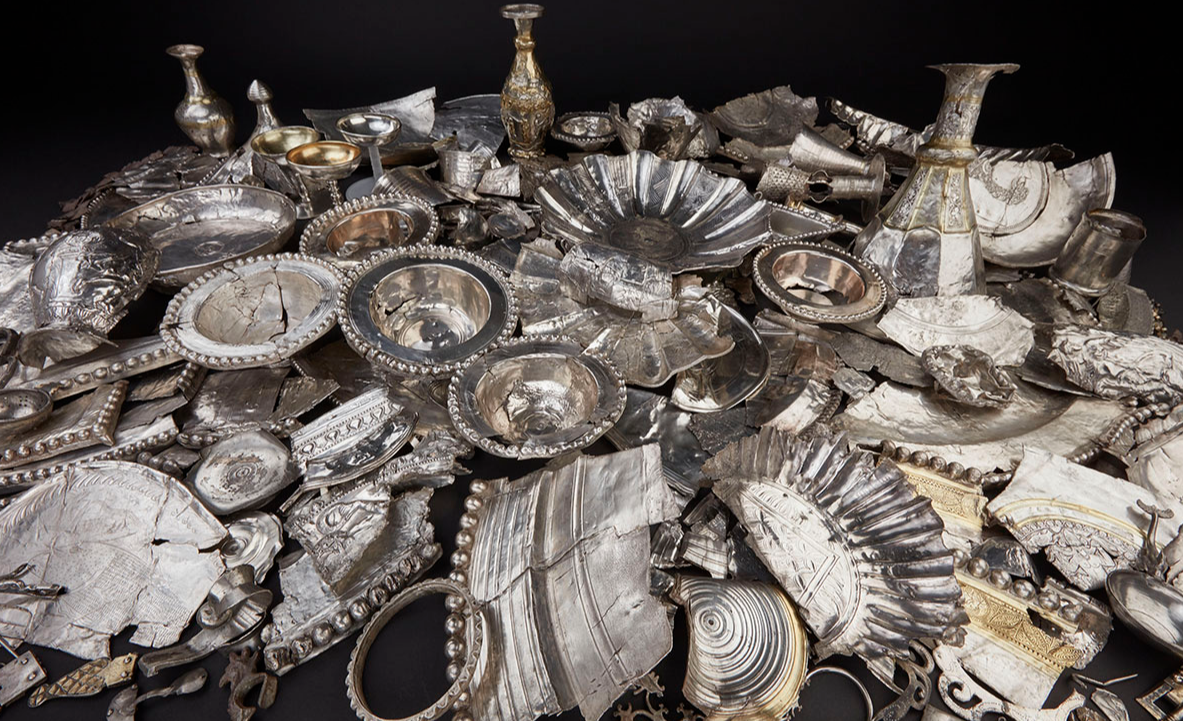
Yet another Roman treasure is the Berthouville Treasure, found in Normandy, accidentally uncovered during farm work in 1830, just like the Mildenhall Treasure. It includes much silver and silver gilt jewelry dedicated to the god Mercury, many with sacred meanings. In these treasures, there are the inscriptions of worship. What was found was not ordinary household items but were instead offerings wealthy worshippers donated at the local Gallo-Roman sanctuary. People would often come to give silver to honor the god, seeking protection, prosperity, or gratitude. It was not uncommon to see expensive treasures worth thousands at the time to be given up for religion.