
Skiing began thousands of years ago, first as a method of travel for people living in snowy areas. Early evidence suggests that skiing first appeared in parts of Russia and Scandinavia, where heavy snow made other forms of transport incredibly difficult. People there would find wooden planks and use them as early skis. Archeologists found evidence of long wooden skis in Russia dating back almost 8000 years.
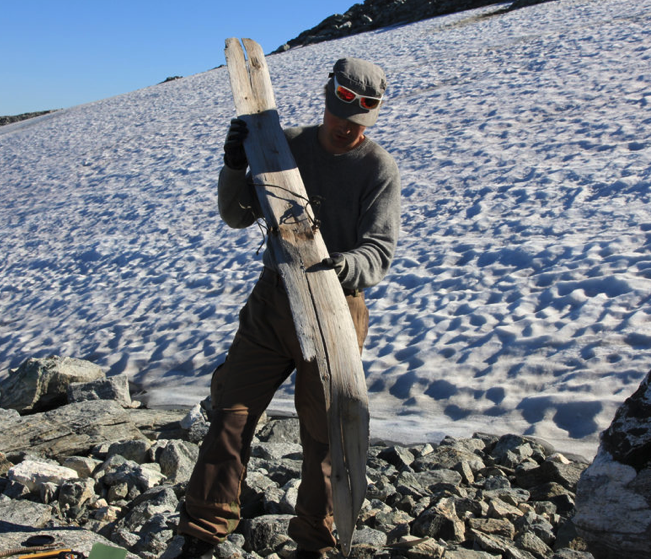
In Norway, people discovered cave paintings depicting people on two pairs of wooden planks with poles in their hands that were believed to be over 4000 years old, and it is often stated that the Sami people of modern-day Scandinavia were some of the first people to rely on skis as a survival tool, even using them as a way to hunt.

At this time, skis were often uneven and scuffed, often made from birch or pine wood, leading to many accidents and injuries. Not long later, skiing techniques and equipment improved. Many people developed their own ways of skiing, such as using skis of different lengths for more maneuverability, which helped hunters catch prey more easily, using poles to help them balance, or using animal skins to improve uphill climbs. Even today, you can still see the effects of these thousand-year-old inventions. To this day, many touring skiers will use a type of “skin” made from nylon or goat hair to climb high mountains and then ski down.

Slowly, skiing became embedded in local culture, especially in parts of Northern Europe. In the 1800s, skiing first became a sport. Norwegian engineers came up with ways to make skiing not only faster but also safer, introducing new skis and techniques.
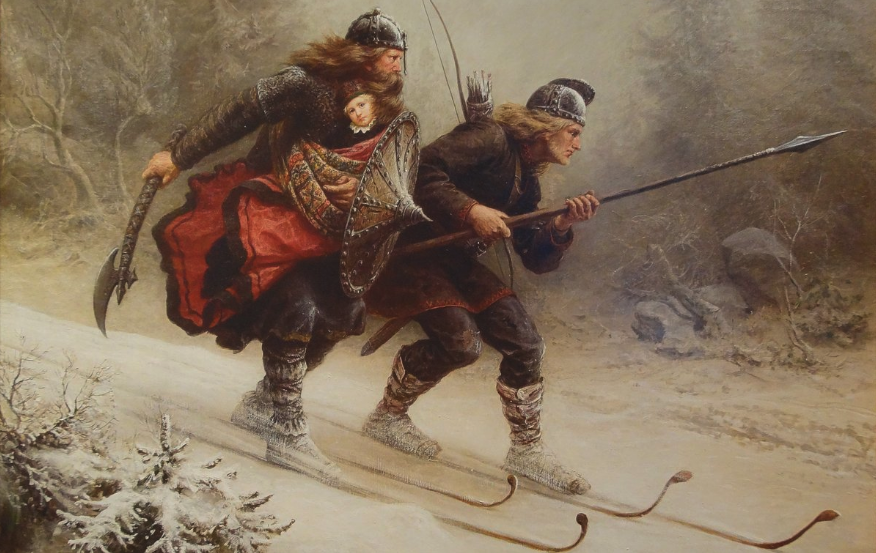
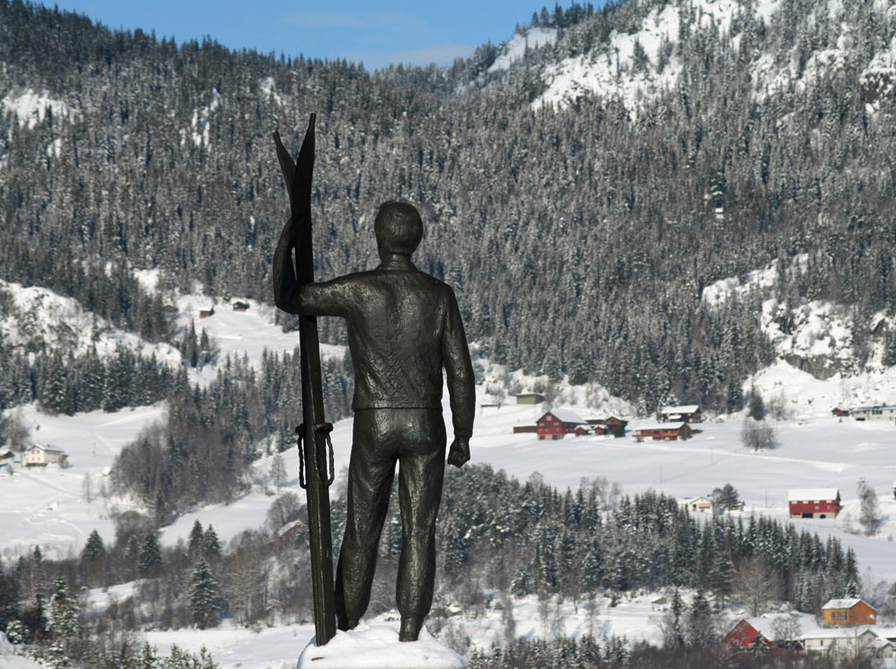
A prominent figure pioneering much of skiing was Sondre Norheim (1825-1897), a farm laborer from Telemark, Norway, who personally made his skis from a piece of plain hardwood and decided to give them a slightly smaller waist underfoot, which became known as a sidecut, something that modern skis still rely on. Not only that, but he also introduced bindings that secured the heel, allowing for greater control and safety as well as the ability to turn more easily.
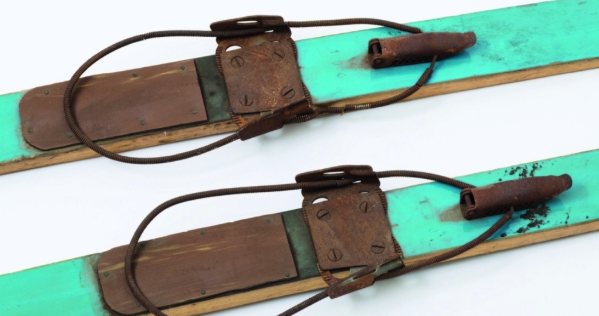

These sudden innovations basically became the underlying foundation of alpine skiing, making turns possible for the first time. Around this time, skiing competitions started to become more popular, and the sport attracted thousands across Europe, where ski clubs formed all around the continent. Spectators and participants increasingly grew more interested in skiing. In the 1930s, there was yet another leap in technical progress. Austrian skier, Felix Leitner, invented the use of steel edges on skis in 1928, giving them a more reliable grip for all sorts of harsh terrain. Right after this invention, another skier named Guido Reuge invented the Kandahar cable binding, which locked the heel down more aggressively, making steeper and steeper descents easier, although it came with a blaring downside, as the binding would not release during falls, often injuring the skier badly. Then, engineers came together to make a massive leap – the development of laminated construction. By combining layers of hickory, fir, and other softer woods to produce a ski, weight dropped immensely while still being more durable than any other ski that had come before it. By the 1936 Winter Olympics, these innovations were used by the Nazi regime as a propaganda apparatus. They used images with Aryan skiers dressed fashionably, designed by propaganda artist Ludwig Hohlwein, to promote a “master” race.
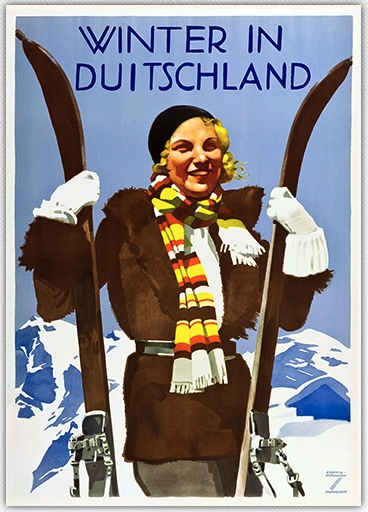
Joseph Goebbels, the Minister for Public Enlightenment and Propaganda, quickly used the opportunity to make an image of the new “National Socialist Germany”. During the games themselves, German athletes
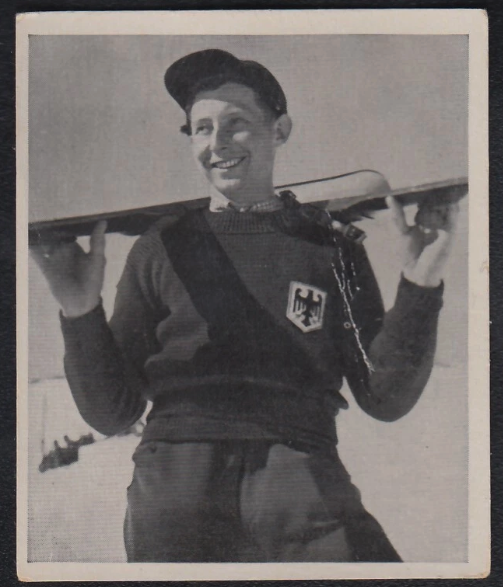
Franz Pfnur and Christl Cranz
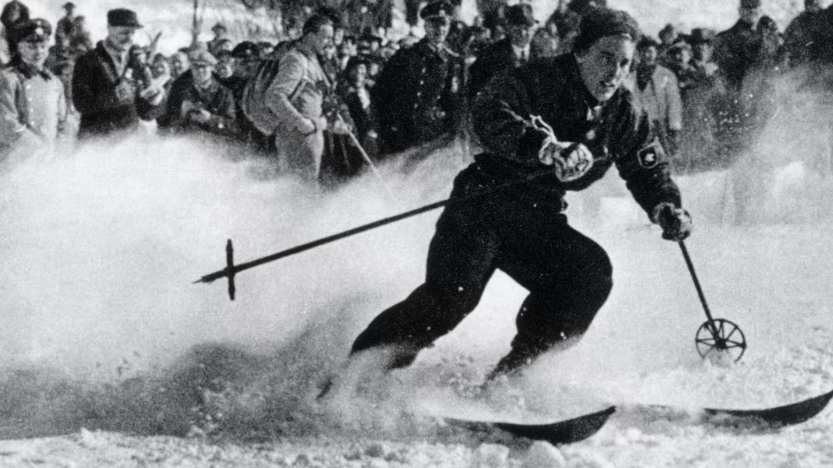
won the men’s and women’s alpine skiing events, and their victories were used as proof of the Aryan race superiority.
Slowly, as technology advanced, skiing became more of a recreational sport rather than a form of transportation, and in the early 20th century, skiing was officially recognized as a sport and included in the first Winter Olympics of 1924. Women, a part of the European women’s rights movement, started skiing to send a message of “I’ll do whatever I want”, while demanding equal rights as men.
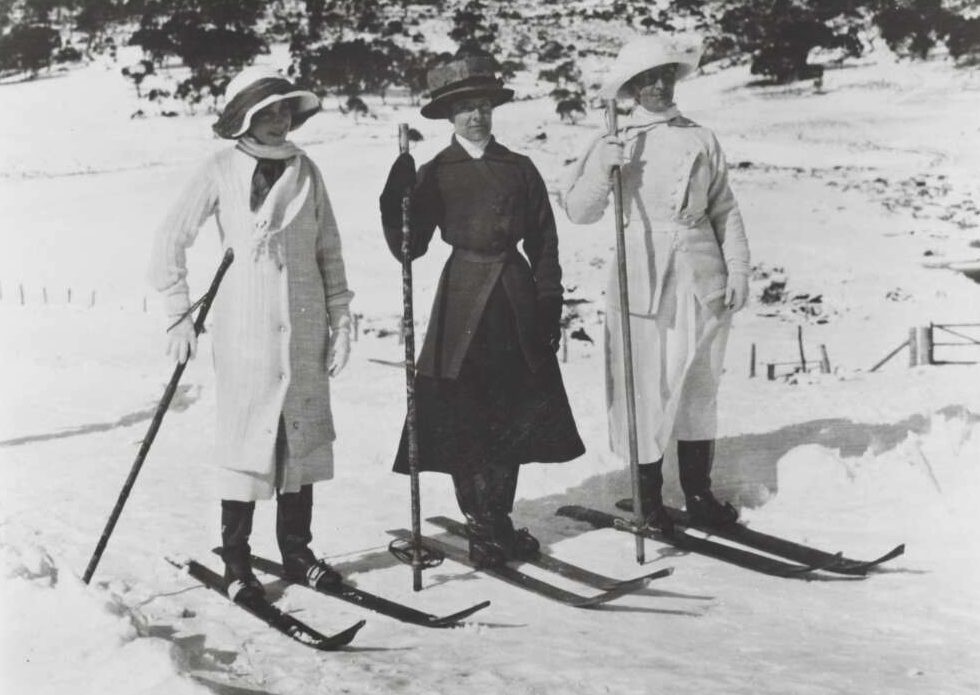
The Olympics marked a major turning point, skyrocketing skiing across the globe as a new sport. It became an icon of luxury and class, leading thousands of wealthy people to go out skiing as a way to boast to others. During this time, the invention of a ski chairlift came into view, making skiing more accessible to everyone, creating a mass boom across the world as tourism spiked.
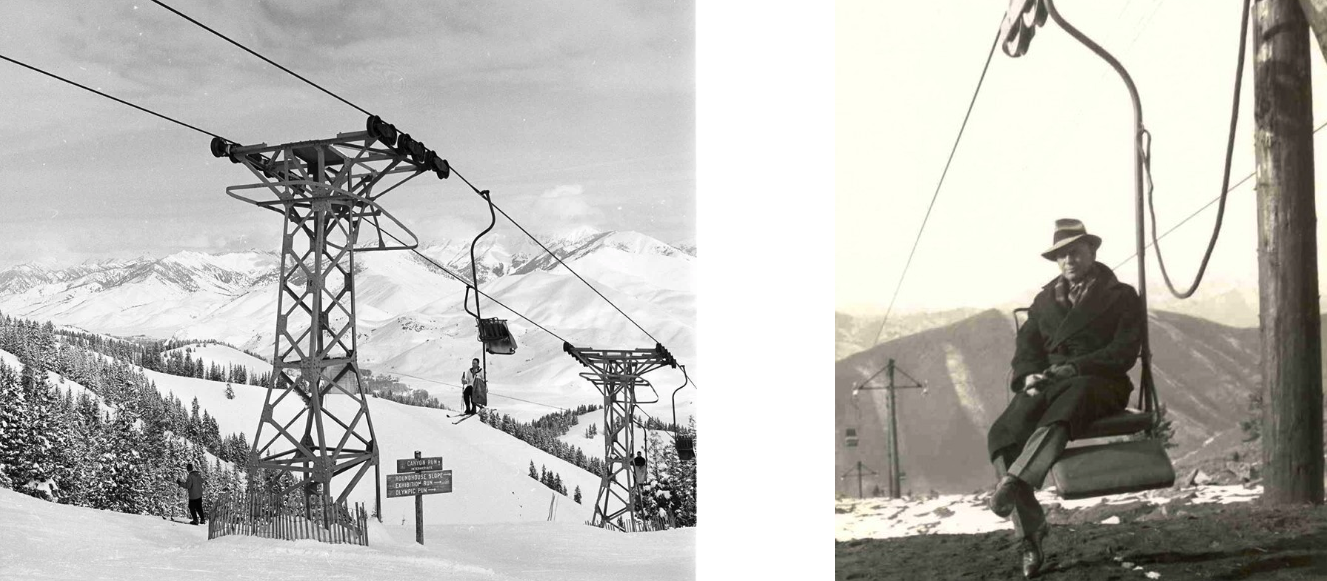
With the increase in skiers, there was a higher demand for safer, newer, and more stylish equipment. In 1947, an aircraft engineer, Howard Head, built the first ever aluminum-laminate skis, called the Head Standard. These skis with metal cores were faster, more stable, and more predictable.

As the skiing population kept growing, more inventions came. 1960 saw the introduction of fiberglass, borrowed from the aerospace industry to make skis that were even lighter. Years later, Sherman Poppen, trying to create a fun pastime for his daughters, stumbled upon an invention he originally called the snurfer, which involved a combination of skiing and surfing.
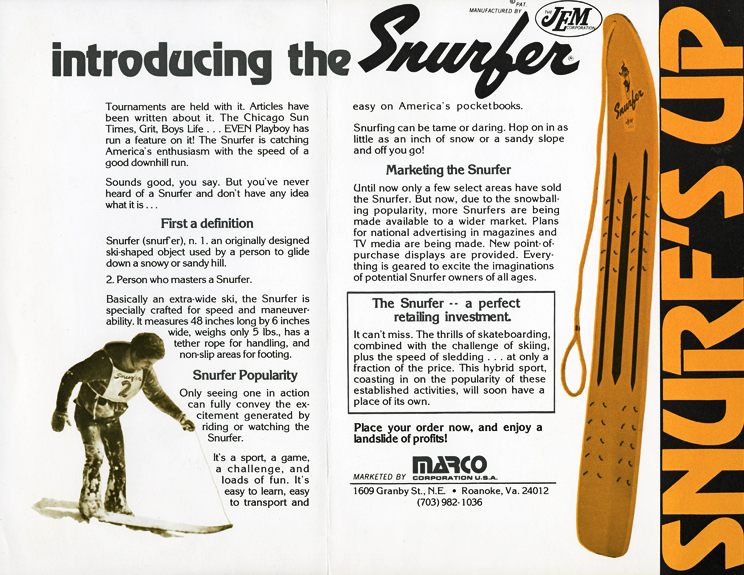
The snurfer eventually evolved into the modern snowboard through innovative bindings and designs. Years later, in 1998, snowboarding was officially inducted into the Winter Olympics, cementing itself as one of the most widely recognized sports. Today, skiing and snowboarding are viewed not only as sports but also as a form of leisure pastime, enjoyed globally.