COLLIN AARONSON
The Battle of Long Island
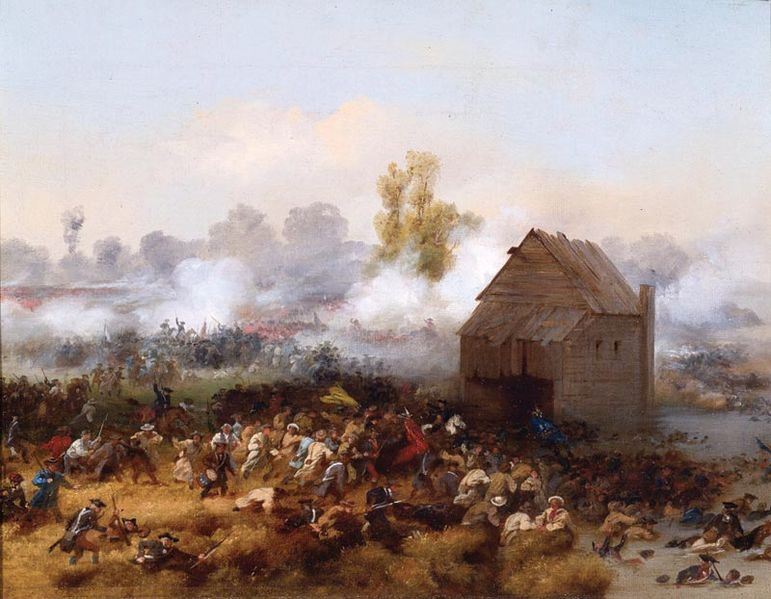
The Battle of Long Island happened during the American Revolution and was fought on August 27, 1776. The stupid Brits with their messed up teeth were to beat up George Washington and his rebel army. This let the botol o’ watta people have the strategical advantage of the Port of New York. This was the largest and most beans-on-toast battle in the entire Revolutionary War.
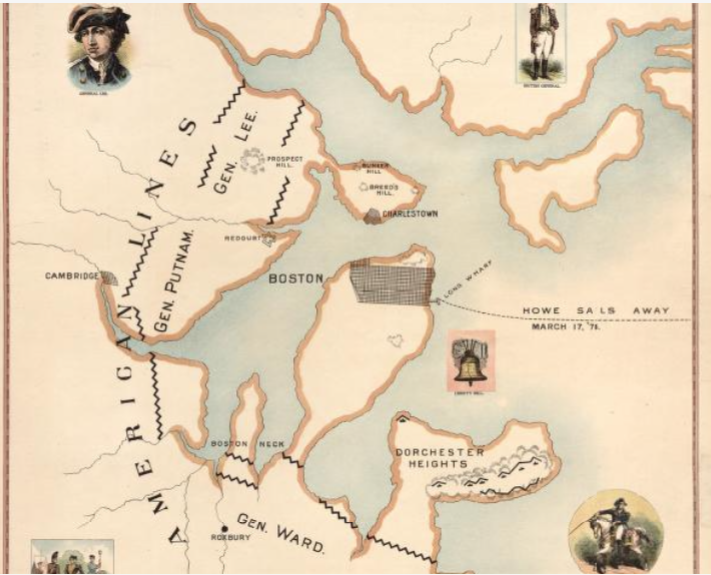
The opening phase of the American Revolution was the Siege of Boston. The British army was trying to mass onto the mainland, but George Washington was having none of it. George proceeded to place soldiers around Boston to trap the Brits. The resources were low for both armies, and the British could only get their biscuits from sea access, but George wanted them to have no more in the end, so he attacked their tea as well. After almost a year, the British abandoned Boston moving all their troops and other equipment north, to their secure launching zone of Nova Scotia.
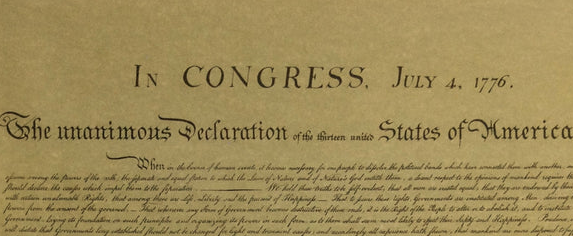
The tension continued building up and it became clear there wasn’t going to be a peace treaty. Finally, on July second in 1776, the Declaration of Independence was written and signed. The people of the colonies started removing the King’s name from all over the place.
George Washington placed thousands of his loyal soldiers to Brooklyn in May. Fort Stirling needed help so Georgy put three extra forts on the East River.
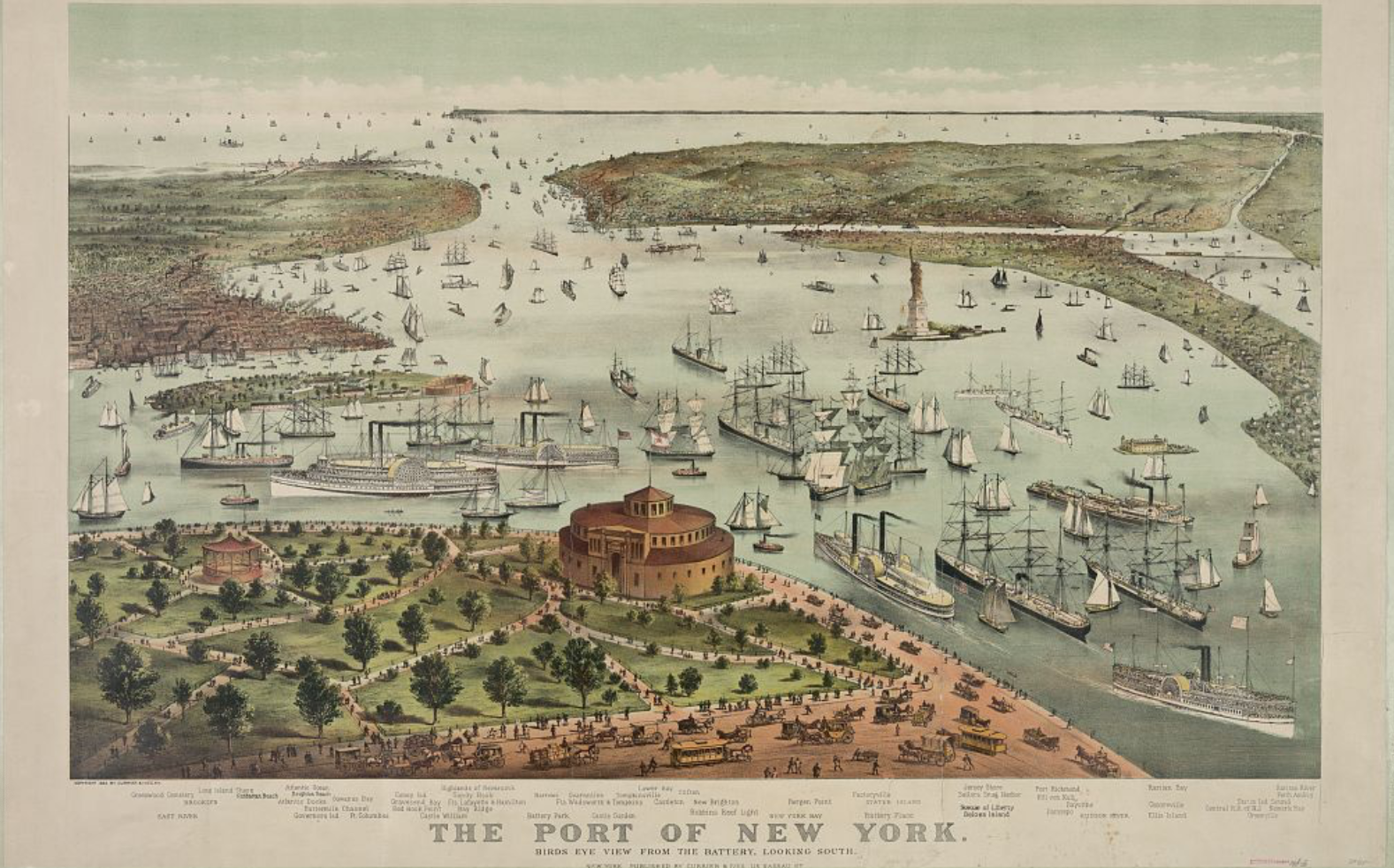
After the Americans beat the British at the siege of Boston on March 17, George and gang relocated to defend the Port of New York. In July, General Howe and his group of Brits landed a couple miles across the harbor on Staten Island, where they received reinforcement of tea and biscuits. In the next month and a half, the total of their army came to 32,000 troops. George, seeing this, moved most of his army to Manhattan because he thought it was going to be the first attacked.
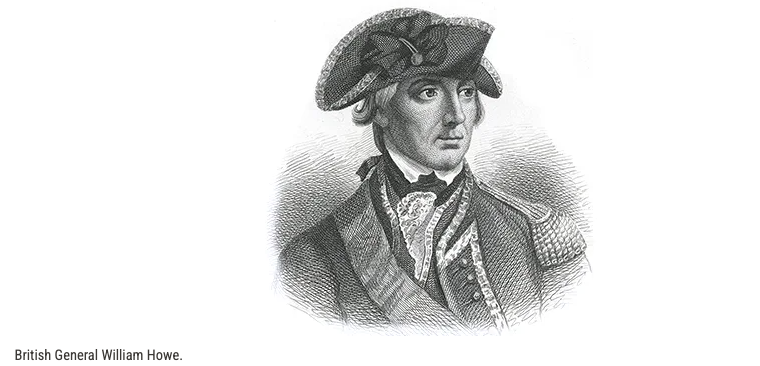
The British strategy was to take over the Patriot-controlled cities and realign with the Tories or the Loyalists there and regain control of the rapidly dividing colony. General Howe’s job was to end the rebellion in America, but he failed at the task which let the American Revolution take place.
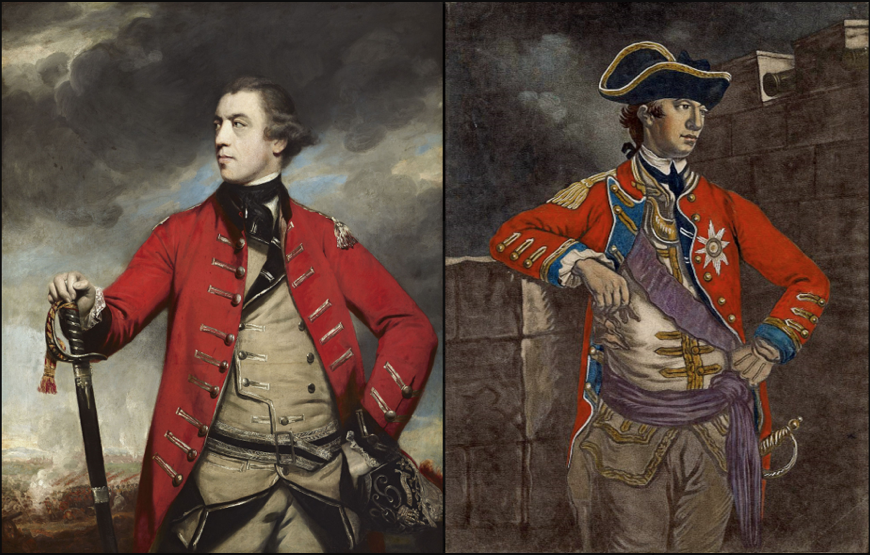
General William Howe and General Burgoyne both share ignoble reputations. A year after this, in 1777, for instance, General Howe decided to divert some of his forces toward capturing Philadelphia, which left General Burgoyne hanging in Saratoga without any backup. This mishap for the British soldiers caused General Burgoyne’s army to be captured along with General Howe’s army to be weakened and then captured as well. These selfish battle tactics demonstrate why he isn’t seen as a superior general too many of the more popular British generals but in fact one whose personal incompetence was a factor in Yellow-Tooths losing of the war. In the end, the only thing that had held the British back from beating the Americans, was General Howe’s ego.
George predicted that General Howe was going to try and take over Long Island for its strategical advantages. Close by to Long Island in New York, there was a loyalist stronghold where they could also take reinforcements from (Manhattan). However, people still had faith in King George the Third to make peace (never happened). In Virginia, the Earl of Dunmore came up with the idea to free any slave that joined the British army, but this backfired because the people of the colonies feared an uprising. Later, Common Sense, by Thomas Paine, which was a pamphlet copied and printed to many, persuaded more people to join the Patriots.
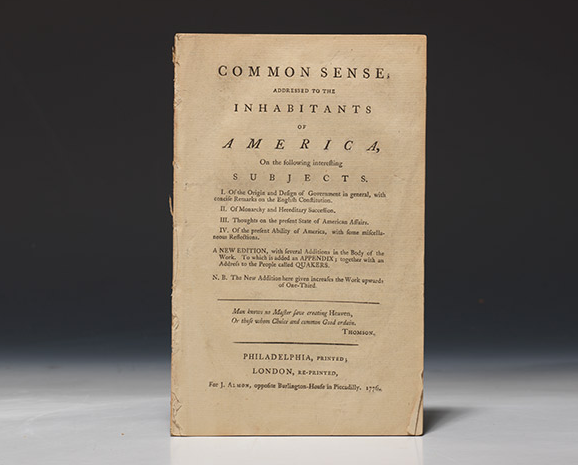
Common Sense, by Thomas Paine, in 1776, galvanized the American people to embrace the themes and principles that made the American Revolution possible. He wrote this because he wanted freedom from the yellow-toothed Brits. He published it anonymously and it almost immediately became a hit.
Many of the soon-to-be Americans bought it and spread the news as the Common Sense became more popular. Often one copy got a lot of use, for it was read aloud in taverns as the men and women swilled hard cider. It was and still is the most-sold book in American history (and some say that the American Revolution was fueled by hard cider).
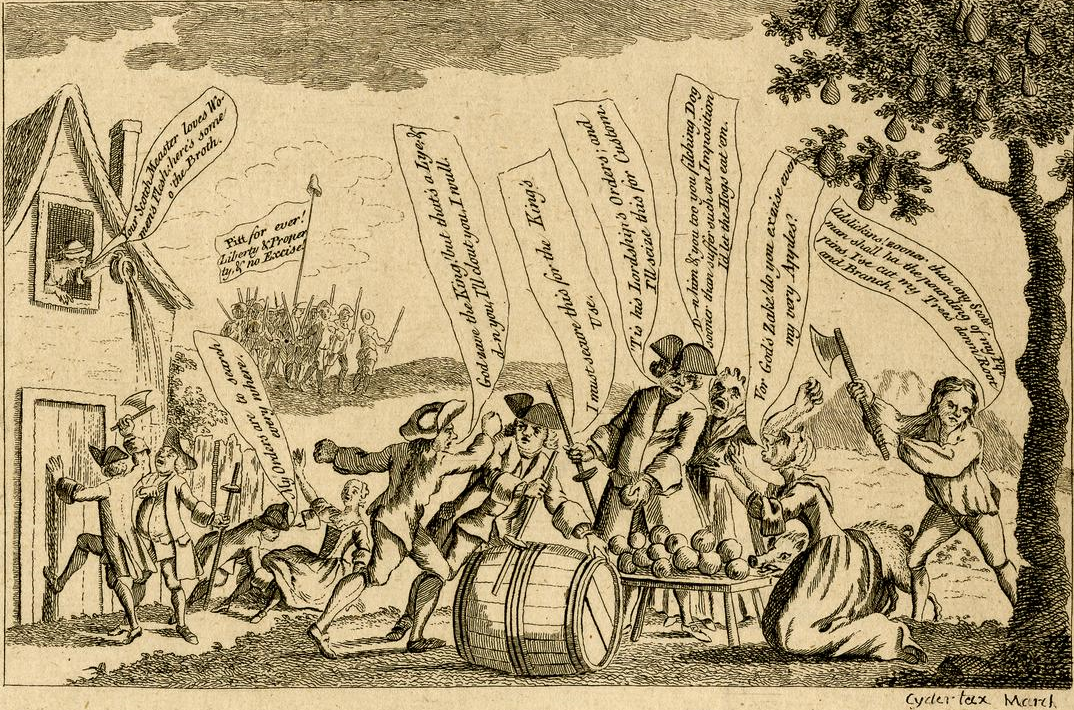
Imagine the feelings of the Continental Army as they read Paine; did this knowledge sharpen their pitchforks, did it light their torches, could it have sparked something in their minds that made them want to kick some British butt? Perhaps it made them want to get rid of all the tea and biscuits in the whole North America and replace it with cider and doughnuts… or did it make them want to start a new country?
The Battle Heats up
General Howe makes it to Staten Island in July, then proceeds to make his move over to Brooklyn on August 21. Five days after his arrival in Brooklyn, he sends his first group of soldiers to attack the defenses of Guan Heights.
George Washington arrives and his supervisors inform him of the developments.
The three forts that are getting built on the eastern side of the East River are called, Fort Putnam, Fort Greene, and Fort Box. They are made in a line going north to south, all of which are surrounded by a large ditch. The three forts all have defensive cannons that totaled to 36.
Congress asks Washington to form an army of 28,501 troops, but he only manages to get 19,000. His army has very little discipline and it doesn’t help to have a bunch of strangers clumped up in small living quarters. They don’t use the equipment correctly which leads to broken material that could have been needed. Washington thinks to himself, What am I going to do with an army that can’t even fight? I mustn’t give in, I shall lead my army to victory and end the revolution.
While most think about the signing of the Declaration of Independence (or Decla of Indy, if you prefer) in July 1776, they overlook what is happening in New York. Washington was busy fighting off the tea drinkers; simultaneously in Philly, they were signing the Declaration. The signing of the constitution is led by Thomas Jefferson, and another man named Benjamin Franklin (or Benny Frank if you prefer).
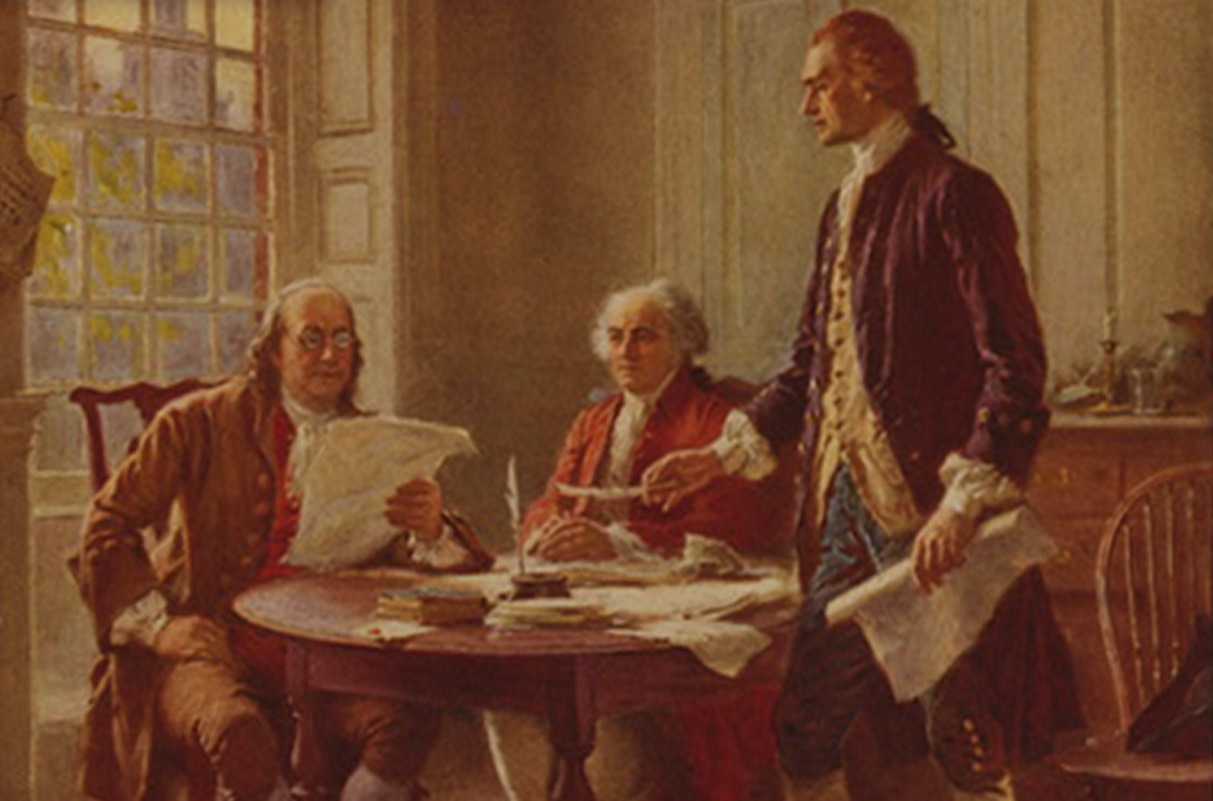
While that is happening in Philadelphia, New York is under attack from Halifax. On June 29, Washington receives signals from his men stationed on Staten Island. The signal means that the British were coming and a whole lot of em’. In the next couple of hours, 45 British ships find themselves anchored in Lower New York Bay. Alarms are sounded in that area of New York and the troops get into their stations. On July 2, the tea drinking army make it to Staten Island. Now they are under Richard Howe’s command, who is the brother of General Howe.
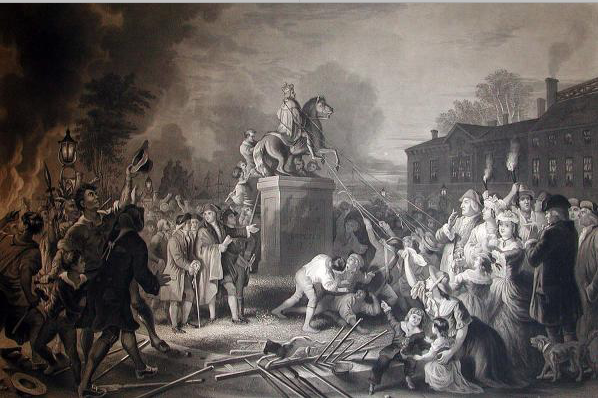
Congress had voted for independence on July 2 from the tea-drinking Brits. George Washington receives the news on July 6 and marches some of his men into the Commons (today, City Hall Park). They listen to the Decla of Indy for the first time. A massive mob of civilians runs down to Bowling Green and proceeds to destroy a statue of King George the Third. They cut off the statue’s head and put it on a large spike, while also using the rest of it to make musket balls.
6 days later, the British ships Phoenix and Rose sail to the entrance of the Hudson River. The American defenses of Fort George, Fort Defiance, and Governors Island start firing at the two invading ships. The British don’t take it well and start firing back at them, continuing to sail down the Hudson. They arrive at Tarrytown in the next morning, the widest part of the Hudson. They are trying to cut off the supplies of the Americans and encourage the Loyalists to help them. There is no intentional death that day – only 6 casualties from a few Americans soldiers whose cannon exploded.
The Americans wake up to General Howe trying to negotiate with them with a letter brought by Lieutenant Philip Brown. Joseph Reed delivers the message to the waterfront under Washington’s orders. I know you are thinking, Washington read the letter, but decided to tell Howe that he didn’t want to comply because of the way Howe had written to him, right? No. He doesn’t even read it; he stops at the address. Washington sees how it is written to “George Washington Esq.,” and says to Brown that there is no-one present by the name of “George Washington Esq.” He does this because Howe won’t recognize his rank as general. Howe repeats this again but is rejected in the same manner.
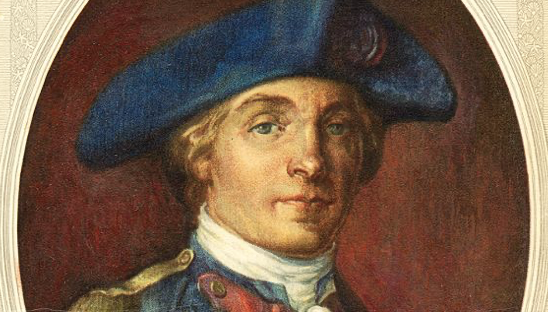
Finally, Howe sends Captain Nisbet Balfour to ask Washington to meet in person with Howe’s adjutant. Washington shows up to the meeting and decides to be an absolute menace, rejecting their deals right back into their faces. He says that “‘those who have committed no fault want no pardon”. This performance is praised in many parts of the country.
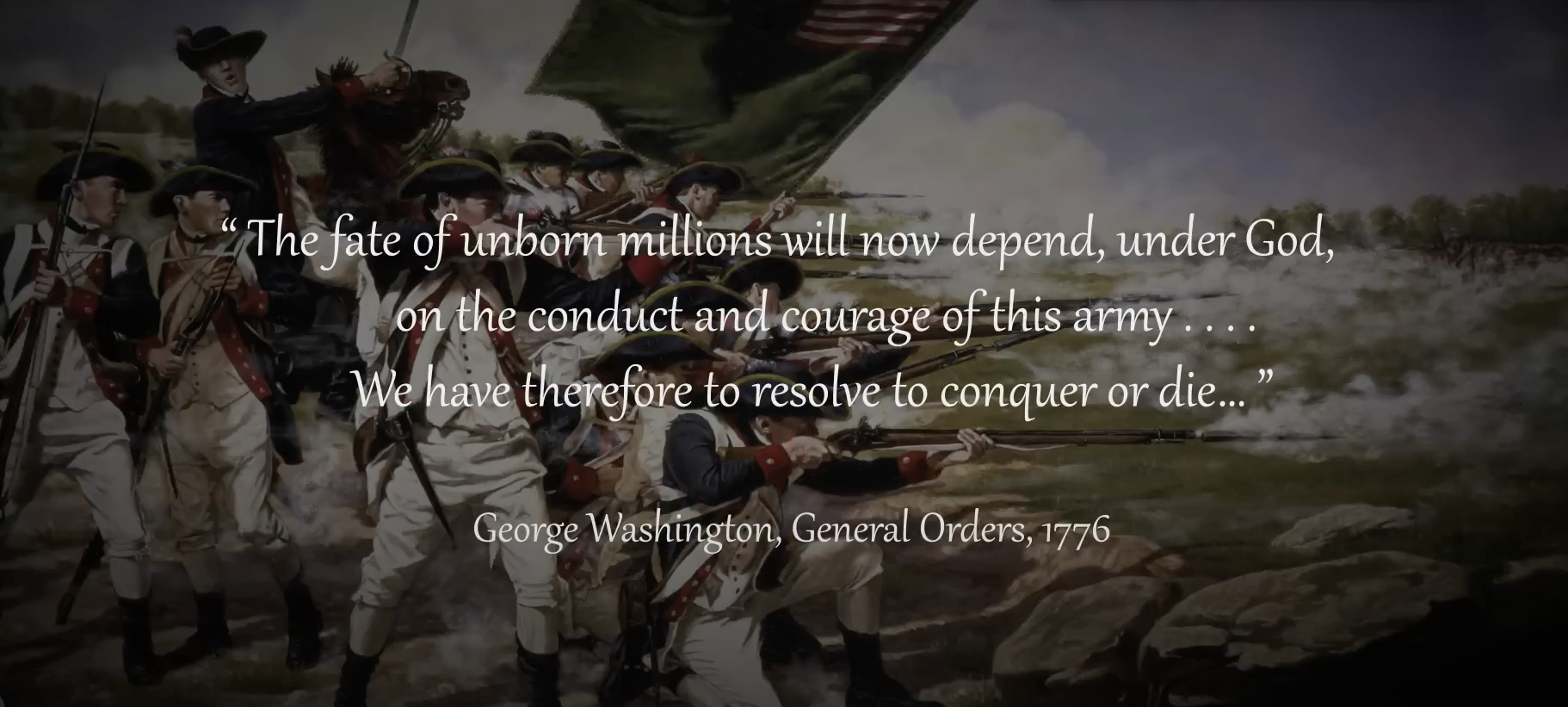
45 ships arrive on August 1 with Generals Henry Clinton
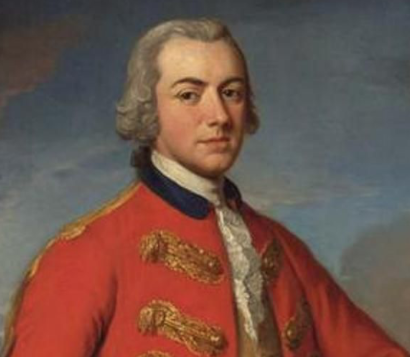
and Charles Cornwallis
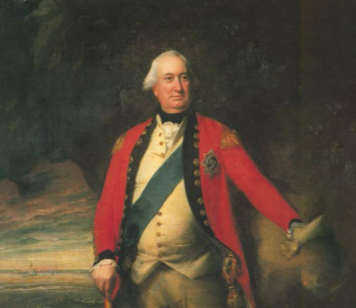
in command. In these 45 ships there are about three thousand troops, and by August 12, another eight thousand paid soldiers (German mercenaries) arrive. By the time all the soldiers arrive, there are four hundreds ships, including 73 war ships. 32,000 British troops were there to wreak havoc upon the Americans! The Americans don’t know whether the Brits are going to attack Long Island or Manhattan , so Washington decides to split his men up and send them to both places. The Long Island defense is led by Greene, but he became ill so John Sullivan steps in for a while with Greene recovering.
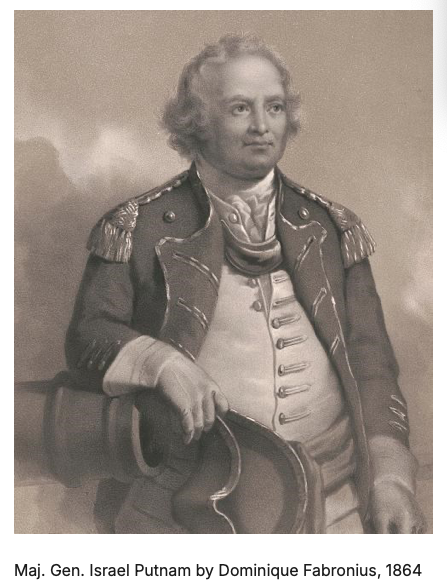
“I informed Trench Tilghman to tell Washington that there are about 9,000 British troops that have landed and that they have a lot of artillery. I can’t tell how much they have because we were told to retreat as soon as possible, so I just assume there are a lot. Washington thinks we only need 1,500 more troops to fend them off, which brings the total amount to 6,000 of us. Washington replaced Sullivan with Israel Putnam who now commands the troops at Long Island, but he doesn’t know how unprepared he is. Putnam brings six battalions while the British, unannounced to us, get another 5,000 Hessian troops from Germany. There isn’t much fighting for the first few days after they land on our turf. We do have a few of our men picking off some of the British troops from time to time though.”
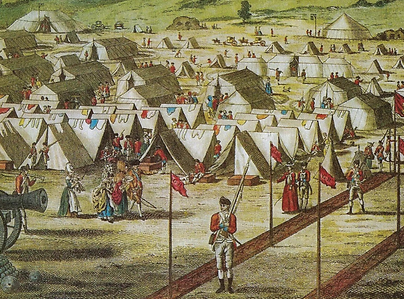
“I am awakened by General Clinton’s yelling again. I check the clock and it is about 5:10 in the morning on August 22. Me and my 4,000 other mates leave Staten Island with Clinton and Cornwallis as our leaders; we are planning to land on Long Island by 8:00 AM. I am surprised to see that we are unopposed when we landed on the shore of Gravesend Bay, but I wasn’t mad about it – I get to have my extra biscuit while we looked around. We see some of the ‘Americans’ retreating, but didn’t think much of it at the time. We continue advancing and notice that they have killed all of their farm animals, as well as burned down all of the barns. Our men keep coming in and by 12:00 we have about 15,000 troops and 40 pieces of artillery. All of the loyalists come outside to greet us and say hello while drinking their overpriced tea. We advanced about six miles into their territory before we were told to stop and make camp.
The American army was planning for Putnam to put defenses on Guan Heights. The hills of Guan Heights were 150 feet high and it was the most direct route to Brooklyn Heights. Washington thought that he could wreak havoc upon the British before they could get back to their main defenses. There were multiple paths through Guan Heights and so they split their men and camped out at all of them. There was one path in the far east called the Jamaica Pass that they only had 5 militia officers patrolling because it was a less known entrance.
General Clinton had heard about all the passes through the Jamaican Pass. He knew about the almost completely undefended pass from one of the loyalists, and drew up a plan to help expose this new found knowledge. William Erskine received this plan to show it to Howe. The first part of their plan was to drink a large amount of tea, then they would flank the American army while they kept the other Americans busy at the front, and finally they would have some more tea to celebrate their victory. They had 10,000 troops from the advanced guard go through the pass while another 4,000 troops would distract the Americans from the front.
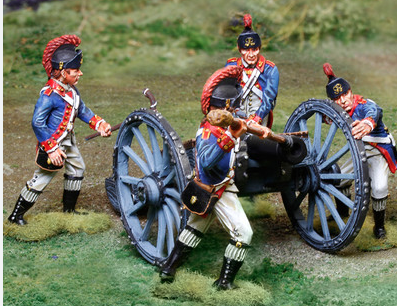
At 9:00 PM, the Brits moved out. To make sure there weren’t any moles in their army, only the commanders knew of the plan. Cornwallis used eight battalions and 14 artillery pieces along with Clinton who led a light infantry with fixed bayonets. Howe and Huge Percy brought six battalions, some more artillery, and baggage for all of the troops. The total amount of men was about 10,000, who stretched out almost 2 miles. A few loyalists revealed access to the Jamaican Pass so the Brits could spring their attack. They left the campfires going to deceive the American army to think that they hadn’t made their move yet, and were still brewing and drinking tea. They didn’t run into any American troops while on the move. They finally made it to Howards Tavern, which was just a few hundred yards before the pass. They forced the owner of the tavern (William Howard and William Jr.) to show them the way to the entrance of the Rockaway Foot Path.
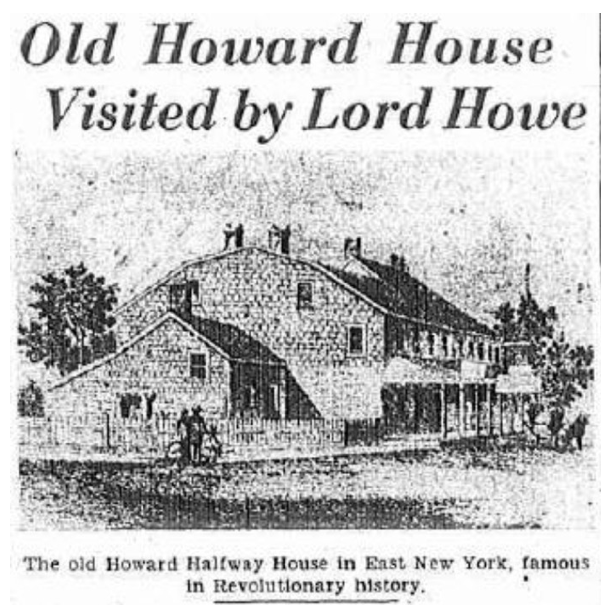
“It was about two in the morning of August 27 that I was awakened by seeing a soldier at the side of my bed. I got up and dressed and went down to the barroom, where I saw my father standing in one corner with three British soldiers before him with muskets and bayonets fixed. The army was then lying in the field in front of the house… General Howe and another officer were in the barroom. General Howe wore a camlet cloak over his regimentals. After asking for a glass of liquor from the bar, which was given him, he entered into familiar conversation with my father, and among other things said, ‘I must have some one of you to show me over the Rockaway Path around the pass.’ My father replied, “We belong to the other side, General, and can’t serve you against our duty.’ General Howe replied, ‘That is alright; stick to your country, or stick to your principles, but Howard, you are my prisoner and must guide my men over the hill.’ My father made some further objection, but was silenced by the general, who said, ‘You have no alternative. If you refuse I shall shoot you through the head.'”
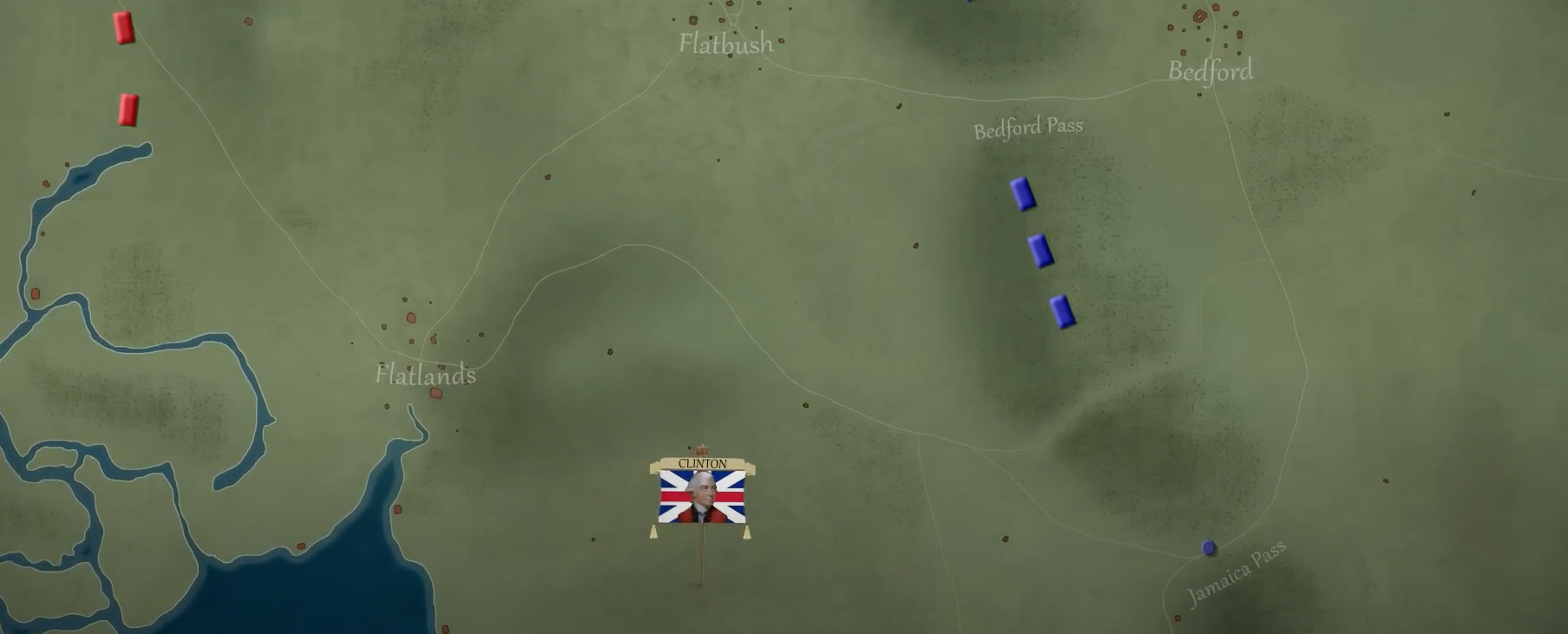
The sly and slippery Brits were able to get through the pass without a shot fired, not because they were skilled at martial arts, but because the American troops thought the Brits were also American. Five American officers were then captured and interrogated, revealing how they were the only ones actually guarding the pass.
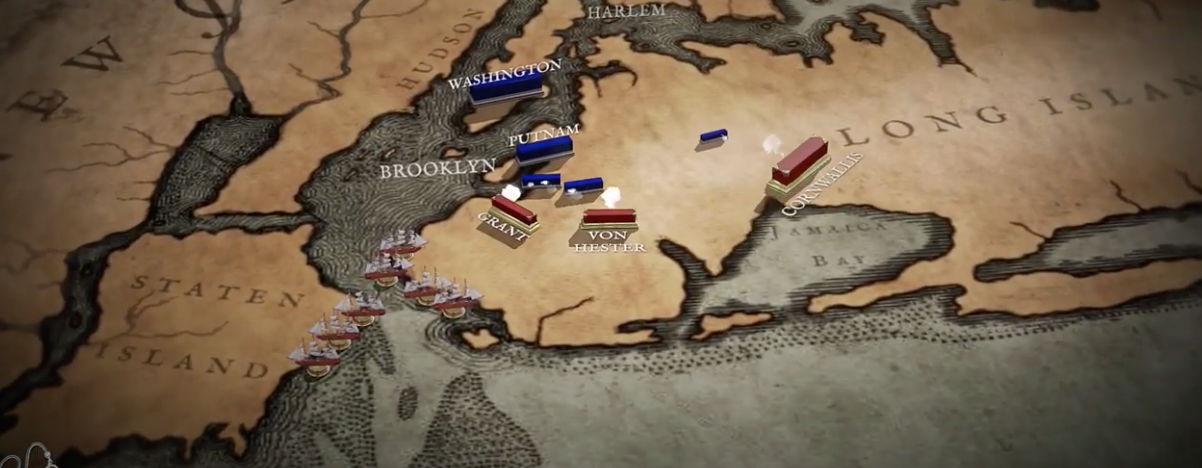
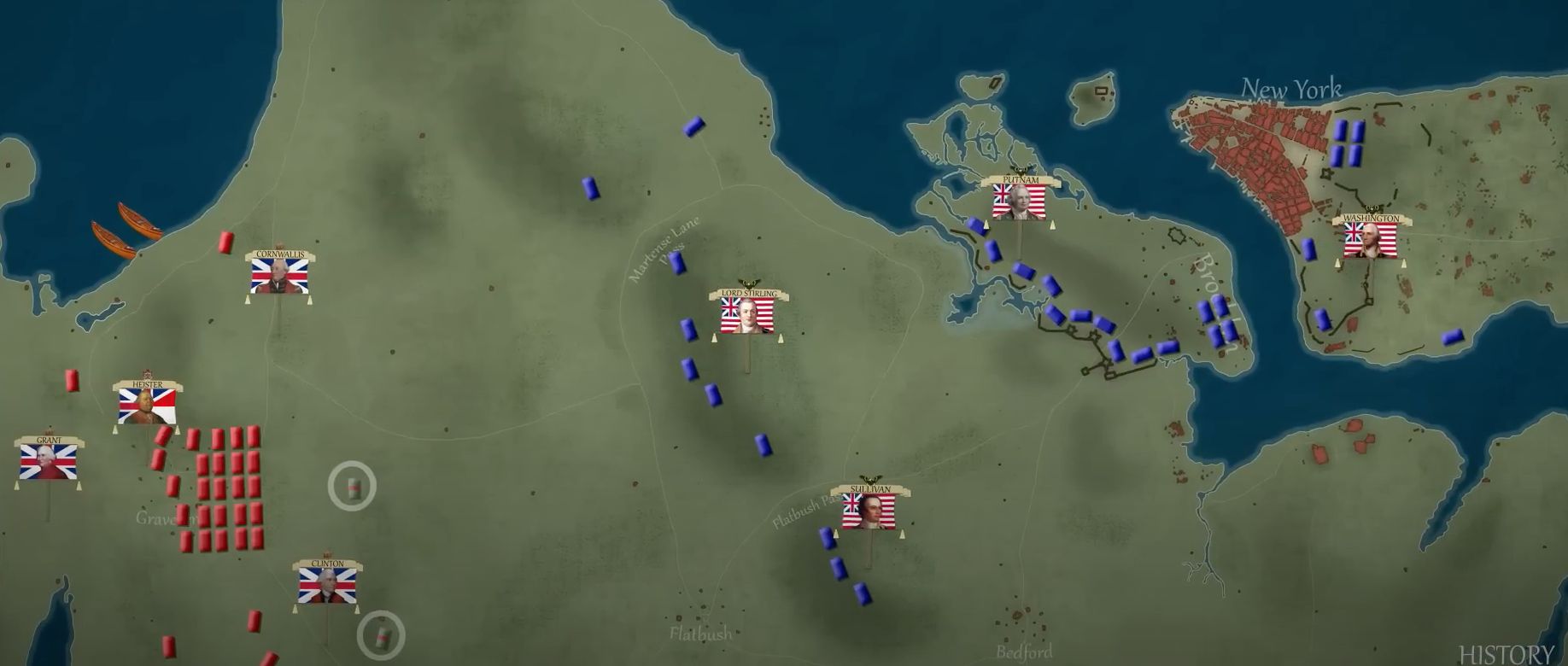
All this fighting, but guess what? The Battle of Long Island is starting now, with the Brits bringing in the largest expedition force they have ever scrounged together containing about 500 ships as well as 30,000 men. The reason for the intensive lead up to this point is so that you can make sense of what is happening in this showdown of two major forces; General Howe and General Cornwallis are now going through the recently discovered Jamaican Pass to meet up with General Grant, who was leading 6,000 men through Gravesend Bay. Who will win, a spear that can pierce any shield, or a shield that can block any spear? As it turns out, the Americans win in the long run, shown by how we are reading this amazing, spectacular, and ultra-detailed document with our Red White and Blue flapping behind us, 250 years later… Sadly however, the patriots that were fighting for our futures were withered out and captured, being put into prison boats where the majority met their demise. This was the biggest and most intense fight of the whole American Revolution, knocking down the coffee drinkers in this round, but the fight doesn’t end here. For what happens a mere 4 months later, see Jonathan Lim’s essay on the Battles of Trenton and Princeton.