NATALIE LIU
The Way Up to Heaven: Spoiler Alert – only read this if you have already finished the story.
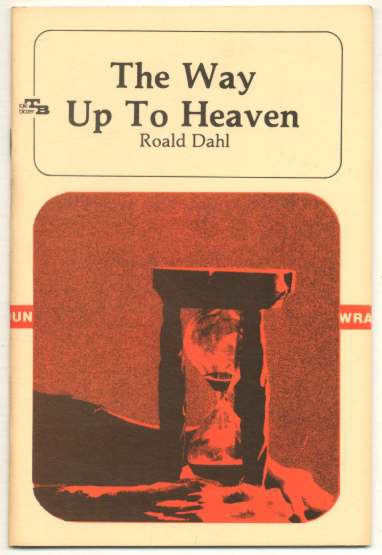
“The Way Up to Heaven” by Roald Dahl is focused on two married old folks, Mrs. and Mr. Foster. Mr. Foster treats his relationship with Mrs. Foster like a mean sibling would, purposefully using Mrs. Foster’s fear of being late to pull a prank that extends the necessary time to stay. Reading this feels like you’re watching a slow-motion car crash and want the collision to complete. Dahl immediately hooks you in with Mrs. Foster being all dressed up and packed, waiting; she has a “pathological fear of missing a train, a plane, a boat”. My initial reaction to this was feeling irritated by Mr. Foster’s behavior, because his calculated delays felt agonizingly cruel. The reader’s experience mirrors Mrs. Foster’s distress in those moments, when a “tiny vellicating in the corner of the left eye, like a secret wink,” twitches as the clock ticks. The plot relies on a strict and rigid timeline, just like how Mrs. Foster always likes to be. In the story, you want to root for Mrs. Foster amid Mr. Foster’s negativity. This negativity is amplified by the household staff, who choose to side with Mr. Foster. While the driver openly states that Mr. Foster is delaying on purpose, the butler, Walker, demands he stop, pretending to be oblivious to the obvious pranks. By defending Mr. Foster and enforcing his false narrative, the staff effectively gaslights Mrs. Foster, deepening her isolation within her home.
The plot uses a repetition of missing the gates and then the weather crisis, to build pressure and stress. The turning point is the next day, when Mrs. Foster goes to catch her flight again, and Mr. Foster has something to give to her for their grandchildren, a comb box. When Mrs. Foster catches his blatant lie, the power dynamic switches. Mrs. Foster gets into the house, yet after hearing a noise, she quickly runs out and directs the driver to leave. After a few months, she comes home and calls the elevator repair; Mrs. Foster has finally sought revenge. The irony of this all is that Mr. Foster chose to take the elevator to stall, but ended up dying in it, and along with the title, the way up to heaven shows Mrs. Foster’s new heaven-like experience on earth without the disturbance of her husband.